FtQ web header blue-rev
blue-red bar shape
media material-red

Graphics

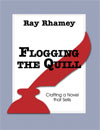
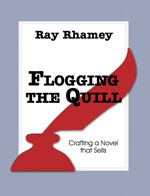
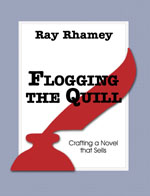
FtQ front cover thumbnail color 75w 2-21-09Book cover hi-res color tif. Right-click here and choose “Save link as” or “Save target as” to save it to your computer.


FtQ front cover thumbnail gray 2-21-09Book cover hi-res grayscale tif: Right-click here and choose “Save link as” or “Save target as” to save it to your computer.

 

Ray Rhamey thumnailAuthor photo hi-res color tif. Right-click here and choose “Save link as” or “Save target as” to save it to your computer.

 

Ray Rhamey thumbnail grayAuthor photo hi-res grayscale tif. Right-click here and choose “Save link as” or “Save target as” to save it to your computer.

Low-res for web use

FtQ front cover 100wBook cover, 100 pixels wide. Just right-click here and choose “Save link as” or “Save target as” to save it to your computer.


FtQ front cover 150wBook cover, 150 pixels wide. Just right-click here and choose “Save link as” or “Save target as” to save it to your computer.

Copyright © 2010 Flogging the Quill LLC

For Immediate Release
(Right-click here and choose “Save link as” or “Save target as” to save a Word document version to your computer.)

Flogging the Quill is a one-book remedy for a host of beginner-novelist ailments, a tune-up for published authors, and a resource for editors.

Rich with advice and coaching from editor/author Ray Rhamey, Flogging the Quill, Crafting a Novel that Sells, ranges wide but with a single focus: lifting a novel manuscript to a publishable, professional level.

The first section, covering the craft of storytelling, includes lessons on creating tension, creating the character “care factor,” what drives a plot, the six vital story ingredients, and tools for spotting shortcomings in a narrative.

In Description, writers learn how experiential description can characterize, plus how to handle the tricky character-description hurdle, staging, and overwriting.

The Dialogue section helps writers avoid leaden overuse of dialogue tags, enliven a dialogue scene with action beats, and deliver the sound of dialogue.

The vital “when to tell, how to show” lesson in the Technique section has been praised by literary agents and college teachers. The section also coaches on point of view, including the problems “head-hopping” can cause with readers.

With the Words section, Rhamey reveals unique insights to the good and bad of using adverbs in a fiction narrative, and guides writers in weeding out weak, wasted, and wrong words.

Computer tips that make writing more productive are included, plus a “workout” section where writers apply lessons learned to real efforts by beginning novelists.

This all-in-one volume draws on the deep understanding of an editor and writer who brings to the task experience in advertising, screenwriting, editing novels, and writing them. Rhamey is the author of the internationally known “litblog,” Flogging the Quill.

As top New York publisher and editor, Lou Aronica, says, “Rhamey offers the kind of advice that could make a huge difference in a writer's prospects.” Bestseller Tess Gerritsen adds, “...it’s a must-have for any novelist.”